
Hyundai · i30 Hatch · GD (2011-17)
The 1.8 Nu is port-injected, not GDI
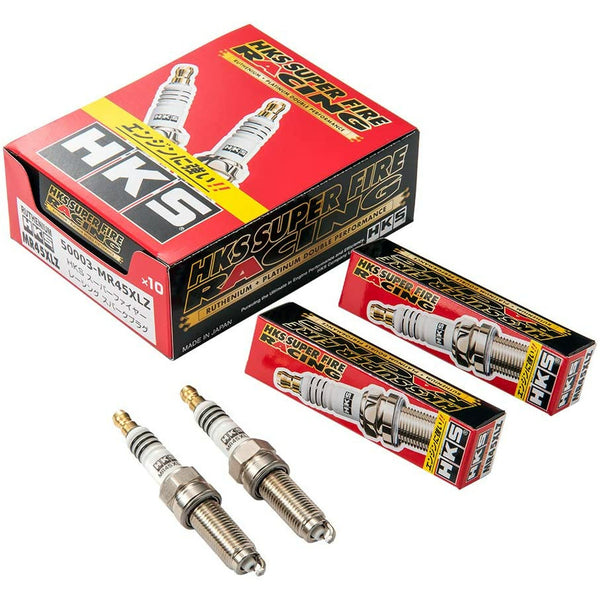
HKS
HKS MR-Series "Super Fire" Ruthenium Plugs
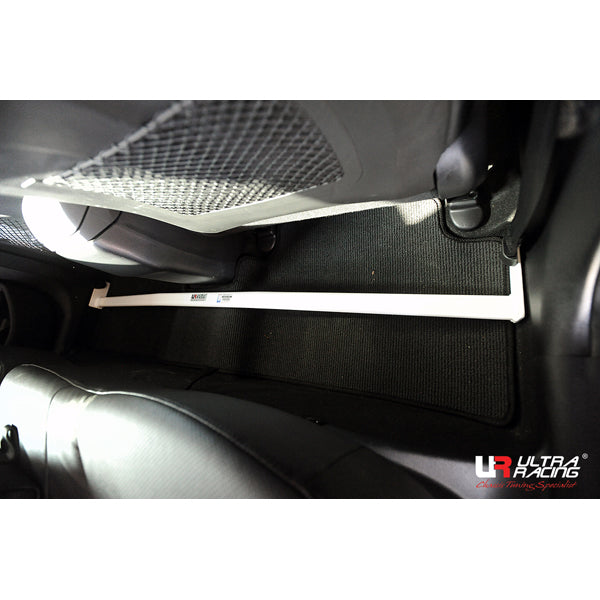
Ultra Racing
Hyundai and Kia Rear Cross Interior Brace
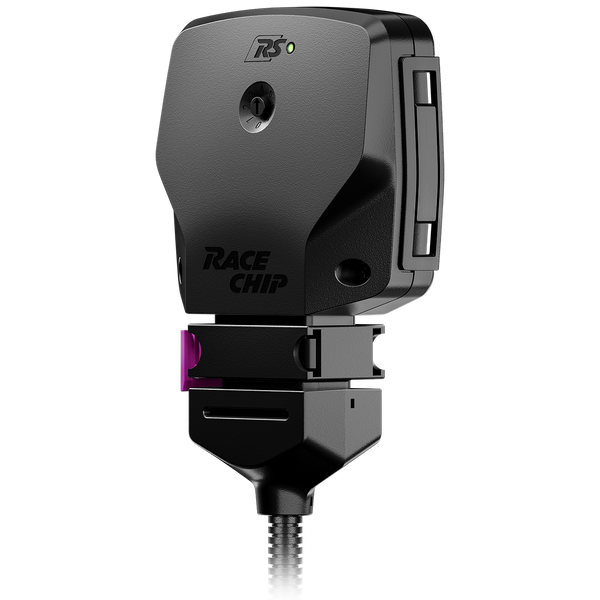
RaceChip
RaceChip RS - Best-Value Hardware Tuning Solution
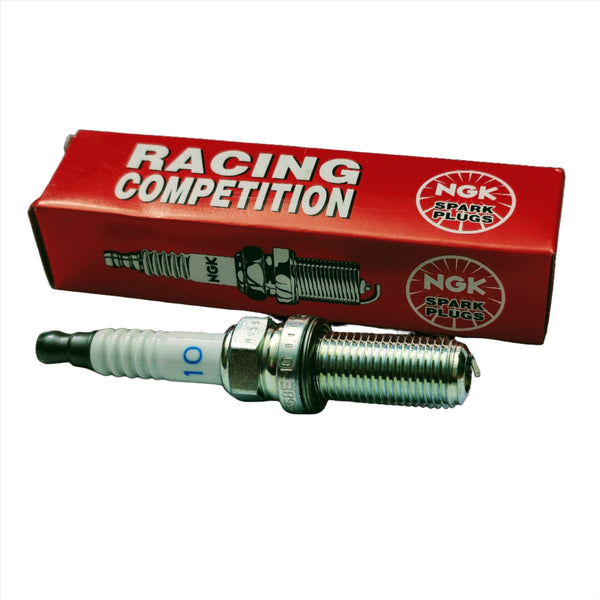
NGK
NGK Racing Spark Plugs (NGK10)
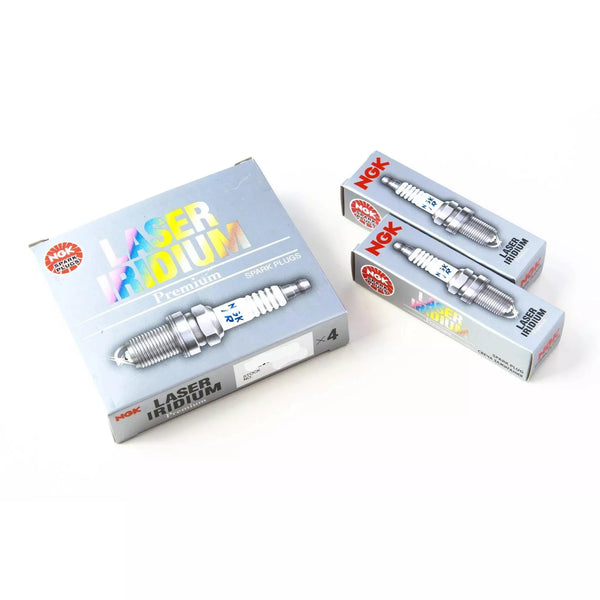
NGK
NGK Laser Iridium Spark Plugs
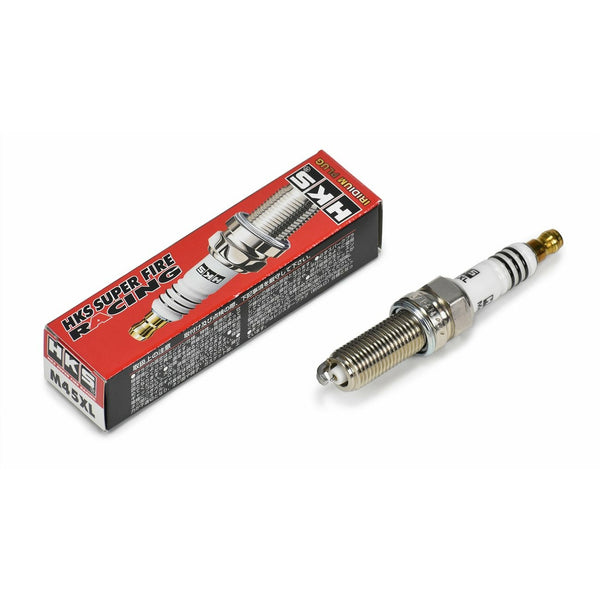
HKS
HKS M-Series Super Fire Racing Plugs
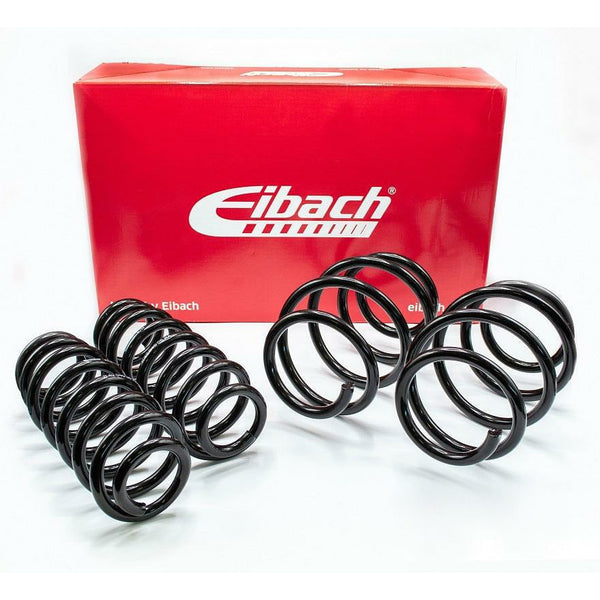
Eibach
Hyundai i30 (GD) & Kia Cerato (YD) Lowering Springs
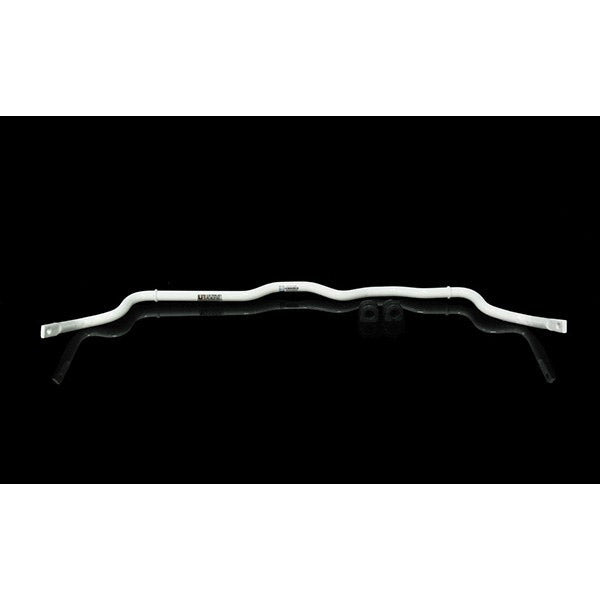
Ultra Racing
Hyundai i30 GD 1.6D Front Sway Bar
FAQ
Common questions
Is it worth getting the 1.8 i30 tuned?
Honestly, not for the money. A naturally aspirated 1.8 with no turbo gives a tune very little to work with - you're realistically looking at a handful of kilowatts and slightly sharper throttle response, not a transformation. Spend the budget on tyres, brakes and maintenance instead.
What's the best first mod for this car?
A quality panel filter and a decent set of tyres do more for how the car drives day-to-day than any engine work. If you want a little more noise and a marginal breathing gain, a cat-back exhaust is the popular choice - just know it won't add meaningful power.
Does the GD have any known weak points?
They're generally reliable. The dual-clutch was never fitted here (you've got a torque-converter auto or manual), so that's a non-issue. Keep an eye on suspension bushes and front lower control arms on higher-km cars, and stay on top of oil changes - the Nu engine doesn't love being neglected.
Can I make it noticeably faster?
Not without an engine swap or forced induction, and neither makes financial sense on a GD. If you want a genuinely quick i30, the PD-generation i30 N is the platform that actually responds to tuning. The GD is best built as a tidy, well-sorted daily.
Can't find what you need for your GD (2011-17)? Get in touch — we're happy to help.