Cherry Tuning × MAX1 · Hybrid turbochargers

More turbo. Properly controlled.

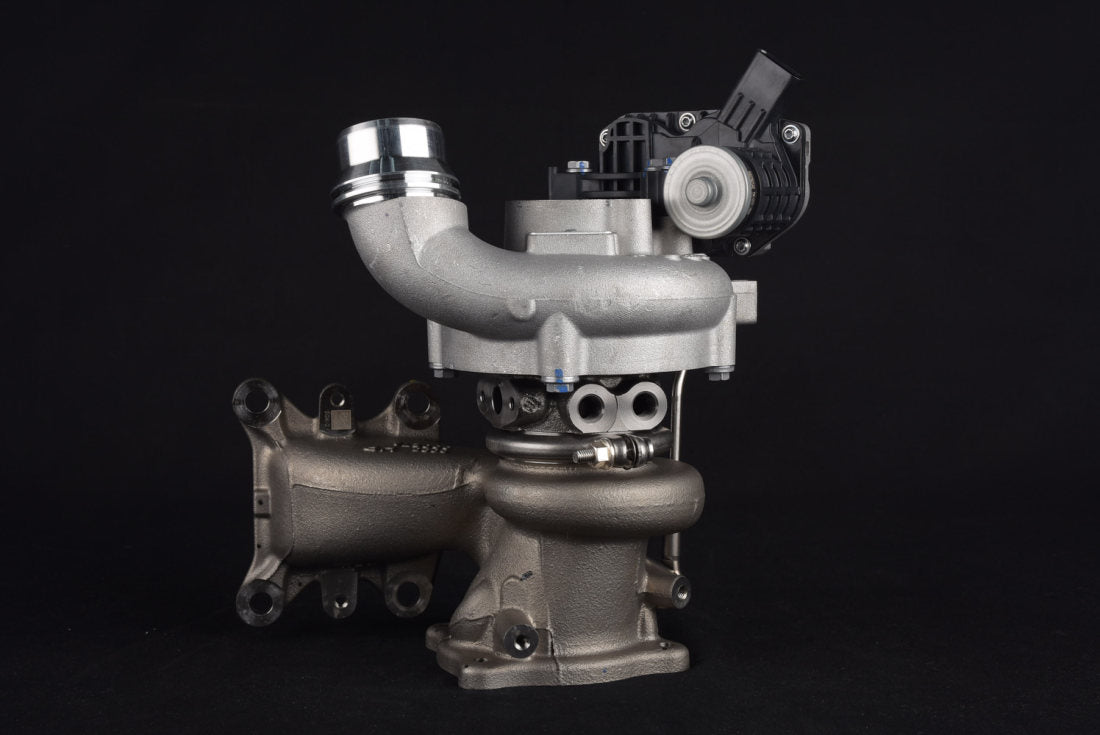
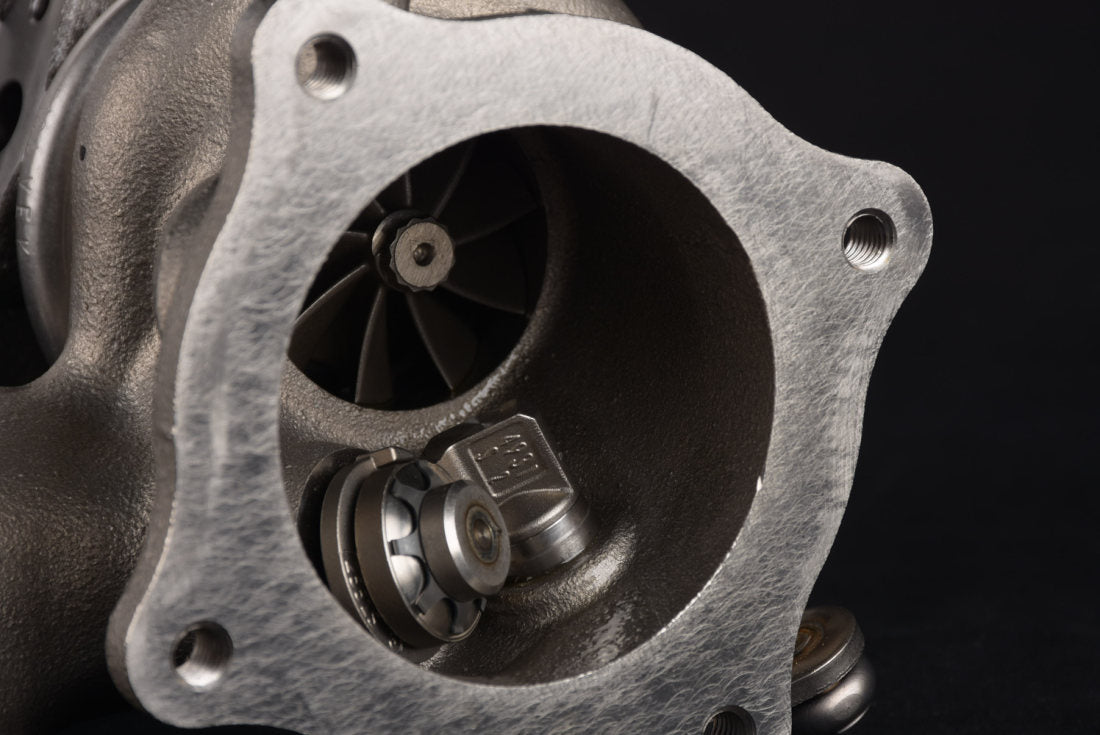
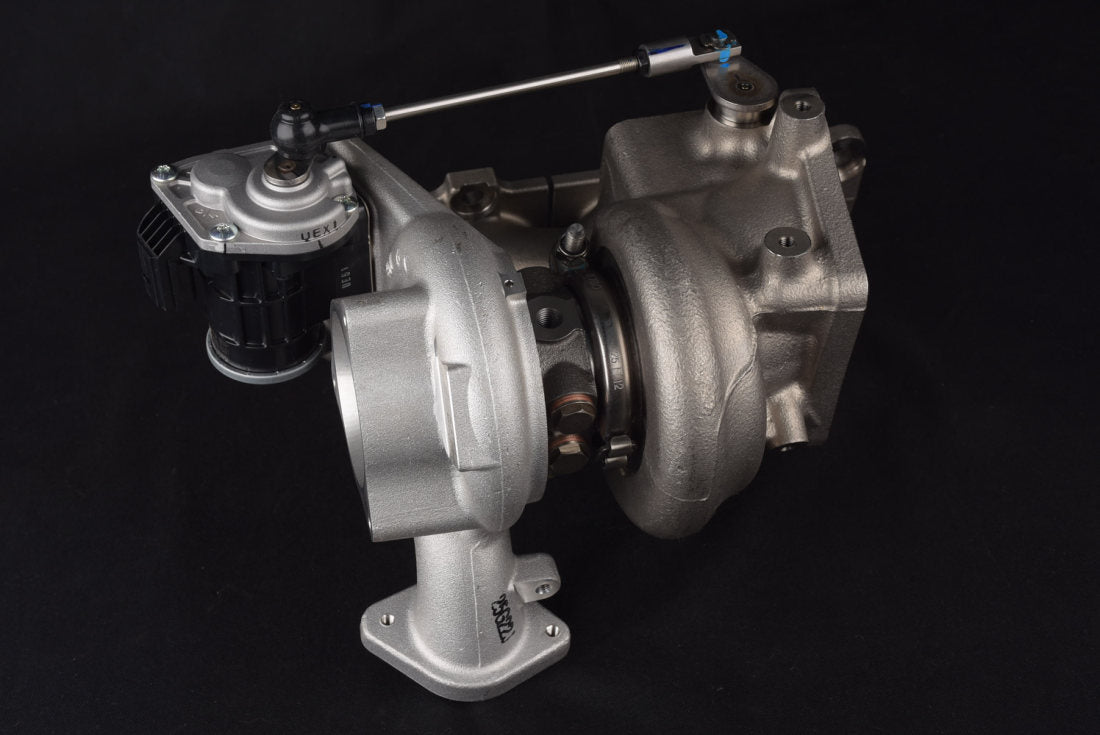
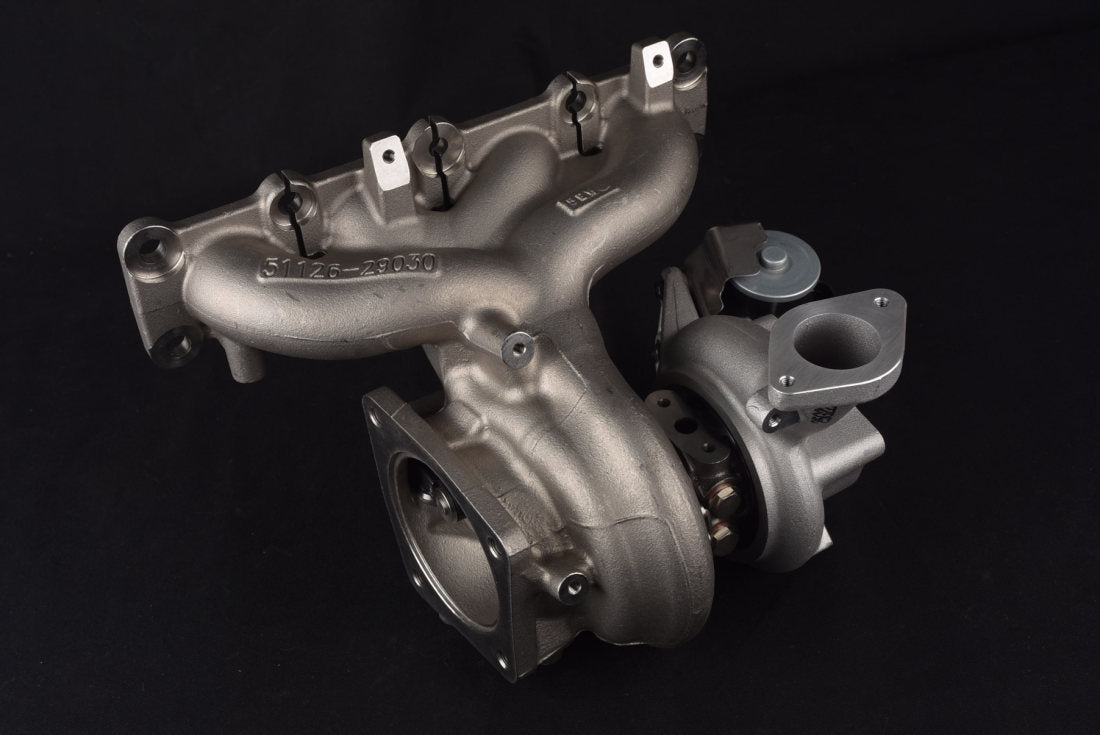
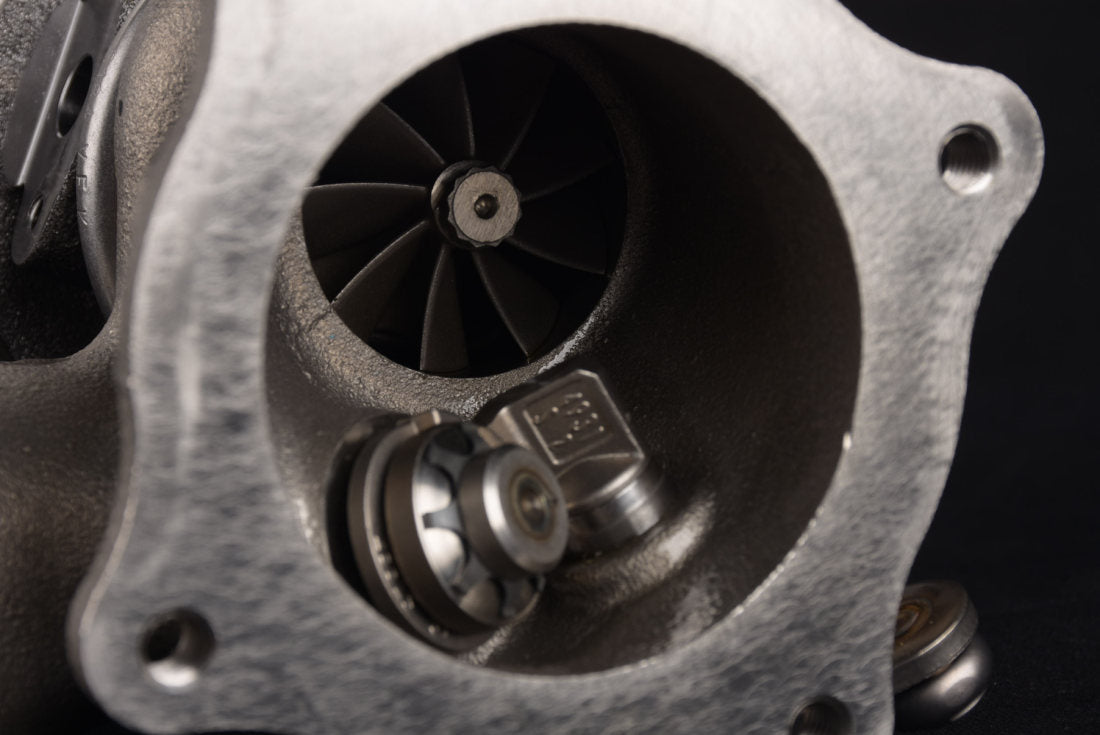
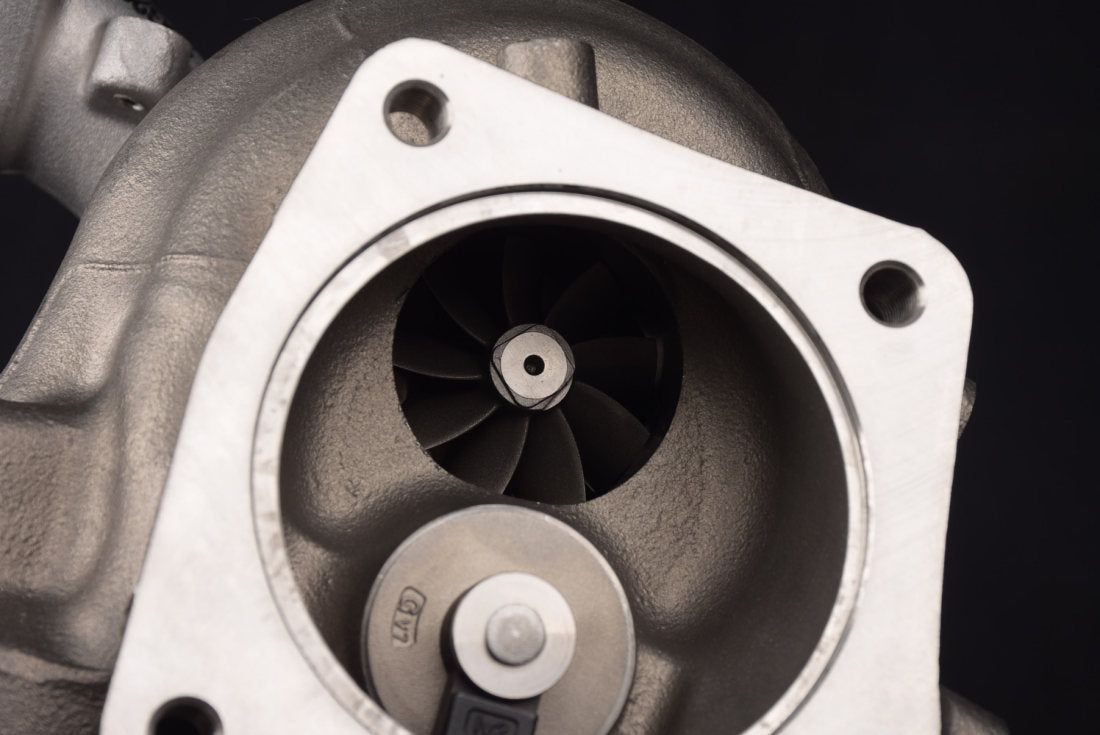
We're working with MAX1 on hybrid turbochargers for the cars we know best - the 1.6T and 2.0T Hyundai N range. Genuine bolt-in hardware, backed by our own boost-control code, dyno-proven at Clyde.

Measured, not estimated

213 kWi20 N (1.6T) at the flywheel
324 kWi30 N (2.0T) at the flywheel
+42%Power over stock, 1.6T
+60%Power over stock, 2.0T

On our dyno at Clyde

What a MAX1 hybrid actually makes.

Real runs on our own Dyno Dynamics, not a brochure number. Flywheel figures, stock versus MAX1.

1.6T · Gamma / Smartstream

i20 N

Also fits i30 Sedan N-Line, Elantra / Avante N-Line

+42%power

Solid = power (kW) · dashed = torque (Nm)

Power
150 213 kW +63
Torque
275 433 Nm +158
Torque gain
+57%

MAX1 run recorded on 108 RON race fuel and de-rated 10% to reflect a pump-fuel result. Stock shown is our standard baseline figure for a healthy factory car.
2.0T · Theta

i30 N

Also fits i30 Sedan N and Kona N

+60%power

Solid = power (kW) · dashed = torque (Nm)

Power
202 324 kW +122
Torque
392 533 Nm +141
Torque gain
+36%

Factory output varies by model: 202 kW pre-facelift i30 N hatch, 206 kW facelift hatch and Kona N. The i30 Sedan N is quoted at 206 kW but its octane learning puts it nearer 187 kW in practice - so the gain on a Sedan N is larger again.

MAX1 figures are measured on our own Dyno Dynamics at Clyde, converted to flywheel using our dyno's 0.88 factor; the 1.6T figure is de-rated 10% from a 108 RON run. Stock figures are our standard baseline for a healthy factory car. Curve shapes are indicative - the peak figures are measured. Results vary with fuel, supporting modifications and conditions.

Actual wheel sizes

How much bigger, exactly.

Not marketing language - measured wheel diameters, drawn to scale. The inducer is the dimension that limits how much air a wheel can move, so that's what we compare.

1.6T

i20 N

Compressor

3641 mm

+5 mm · +30% area

Turbine

4552 mm

+7 mm · +34% area

Exducers grow with them: compressor 49 to 53 mm, turbine 40 to 45.6 mm.

2.0T

i30 N

Compressor

4458 mm

+14 mm · +74% area

Turbine

5254 mm

+2 mm · +8% area

Facelift factory turbo shown (28231-2GTE0). The pre-facelift unit (28231-2GTB1) is smaller again at 40 mm compressor / 47 mm turbine, so the step up is bigger still. MAX1 builds this one as a custom unit: a Garrett G25 turbine wheel with a G30-770 compressor wheel.

Factory wheel MAX1 wheel Drawn to scale from inducer diameters

Compressor and turbine inducer diameters. Flow capacity scales with AREA, not diameter - so a 32% bigger compressor inducer is roughly 74% more area. Factory dimensions from the OE turbocharger data; MAX1 dimensions from the wheels used in the build.

Why the hardware alone isn't enough

A bigger turbo is only half the job.

The factory ECU decides how much boost the turbo is allowed to make - and on these cars it runs out of authority long before a hybrid turbo runs out of breath. Bolt a bigger turbo to stock code and the wastegate simply gives up at the top end. The numbers above exist because we wrote our own boost-control code to replace that logic.

  • Our own closed-loop boost controller, written into the ECU
  • Holds target boost past the factory ceiling
  • Developed and dyno-validated on our own car
Read how we did it.

We reverse-engineered the factory boost model and built a custom controller from scratch. The full story, with the data behind it.

Custom boost model

Questions

The honest answers.

How much does a MAX1 hybrid cost?

Pricing isn't set yet - we're finalising it with MAX1 along with the first build slots. Register your interest above and we'll come to you first, with a discount for backing it before pricing goes public.

Do I need a custom tune as well?

Yes. A hybrid turbo on factory code will run out of wastegate authority at the top end - that's the ceiling we had to write around. Every MAX1 build is tuned by us with our own boost-control code. Read how that works.

Will it fit my car?

There are two units. The 1.6T fits the i20 N and the CN7 N-Line cars (i30 Sedan N-Line, Elantra / Avante N-Line). The 2.0T fits the i30 N hatch, i30 Sedan N and Kona N. If you're not sure, pick "Other / not sure" on the form and tell us the year and gearbox.

What else will my car need?

That depends on what's already fitted and how far you want to go - fuelling, intercooling and exhaust all become part of the conversation at this power level. We spec the supporting parts per car rather than selling a one-size kit, which is why the form asks what's already done to it.

Are the figures on this page realistic?

They're our own dyno runs, not supplier claims. The 1.6T MAX1 figure was recorded on 108 RON race fuel and we've taken 10% off it so what you see is closer to a pump-fuel result - the stock figure has no such adjustment. Flywheel figures are converted from at-wheel using our dyno's 0.88 factor. Stock baselines are 150 kW for the 1.6T cars and 202 kW for the pre-facelift i30 N hatch (206 kW facelift and Kona N; the Sedan N reads nearer 187 kW because of octane learning). Your car will vary with fuel, supporting mods and conditions.

Pricing to be announced

Get in before pricing is set.

We're finalising MAX1 pricing and the first build slots now. Register your interest and we'll come to you first - with a discount for backing it early.

Early-bird discount locked in before pricing goes public.

Registering costs nothing and commits you to nothing. We'll confirm your car, spec the right turbo and supporting parts, and send pricing as soon as it's set.

No payment, no obligation — this just puts you in the queue and locks your discount.

Not sure where a hybrid fits your build?

Tell us the car and what you want out of it. We'll tell you honestly whether a MAX1 is the right next step - or whether a stage package gets you there for less.